How to read a flag
Look for the layout.
Is it made of horizontal bands, vertical bands, a cross or a single field? Describe the arrangement before trying to remember the name.
Choose one detail.
A disc, maple leaf, star or diamond makes a useful visual cue. Notice its position and the background around it.
Connect it to a place.
Say the country name, find it on a map, then recall its capital. A flag becomes easier to place when it belongs to a geographic story.
Similar at first. Different up close.
Compare designs directly. These cues describe what you can see; color alone does not tell you a flag’s historical meaning.
Japan and Bangladesh
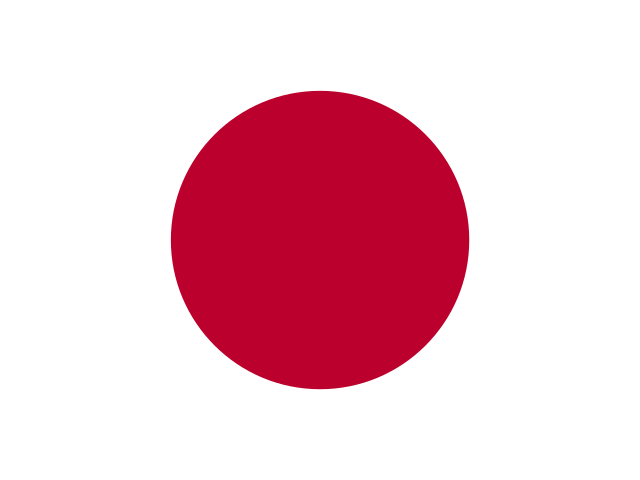
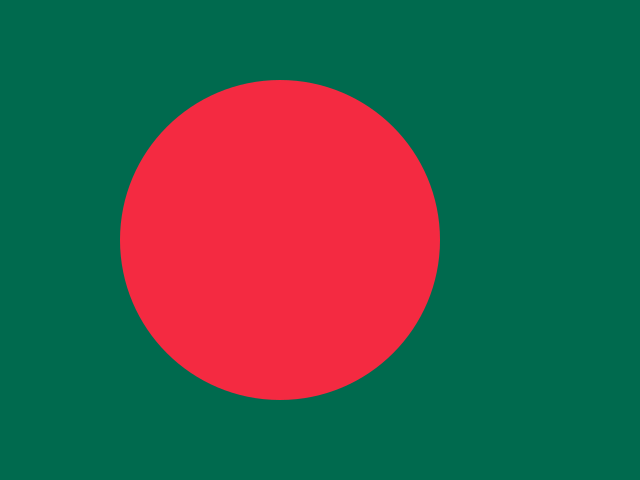
Japan has a red disc on white. Bangladesh has a red disc on green, shifted slightly toward the flagpole. Begin with the field color, then notice the disc’s position.
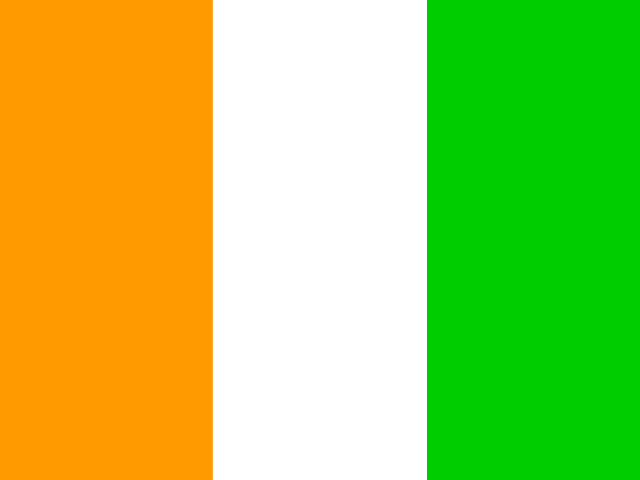
Ireland and Côte d’Ivoire
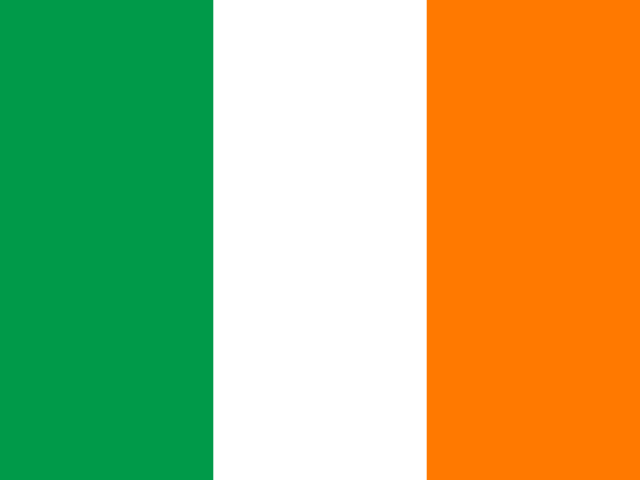
Ireland runs green, white, orange from the flagpole. Côte d’Ivoire runs orange, white, green. Read the order from the hoist rather than remembering the colors alone.
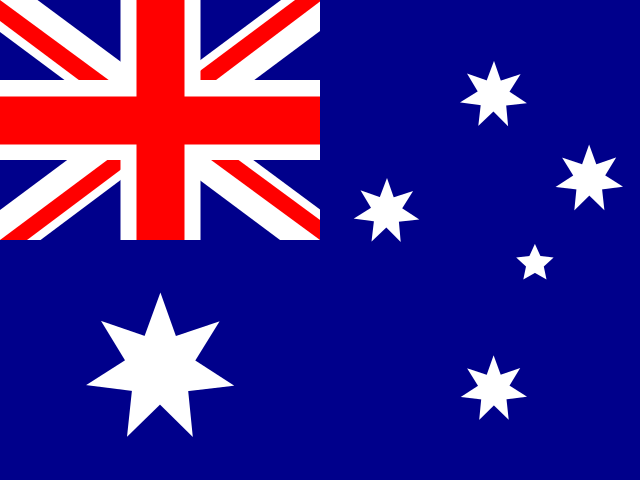
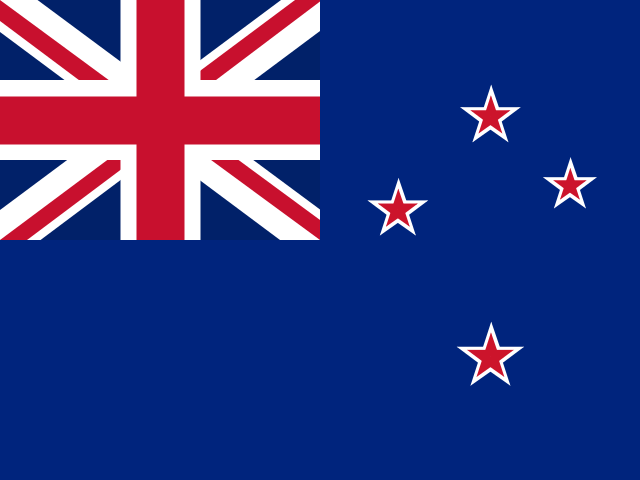
Australia and New Zealand
Both include the Union Jack on blue. Australia has white stars, including the large Commonwealth Star beneath the canton. New Zealand has four red stars with white borders.
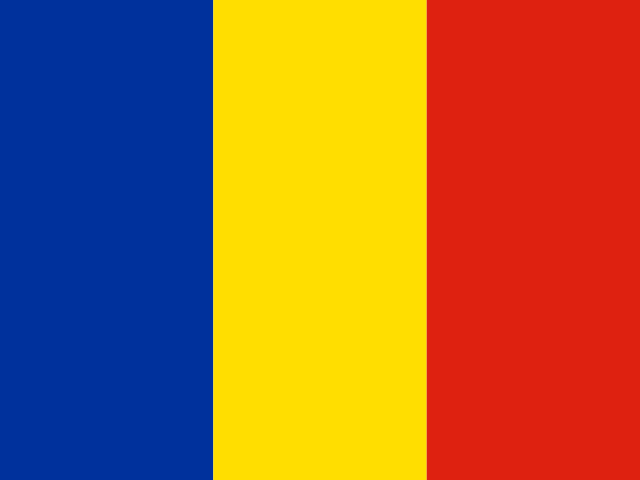
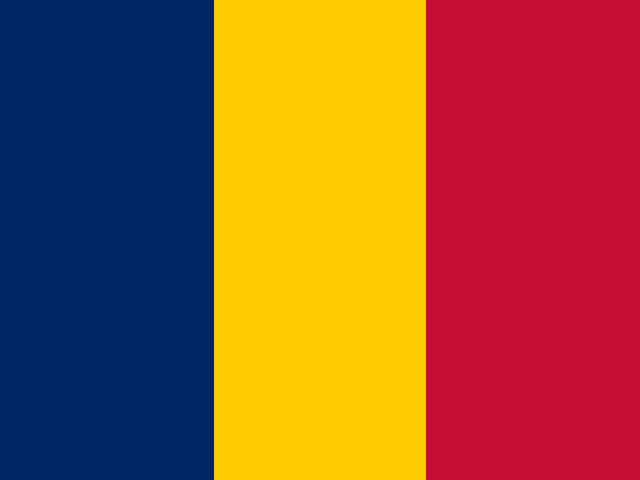
Romania and Chad
Both have vertical blue, yellow and red bands. Their blue shades differ, but screen settings and small images can make that cue unreliable. Use a clearly labelled reference when studying the pair.
24 flags to start your collection
Read the country names beneath the flags. Then cover the labels or ask a study partner to point to a flag while you name the country. This is a starter collection; the country directory has 236 flags and names.
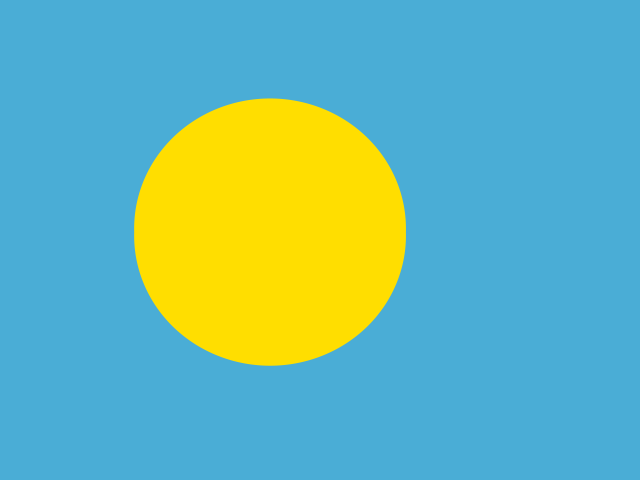
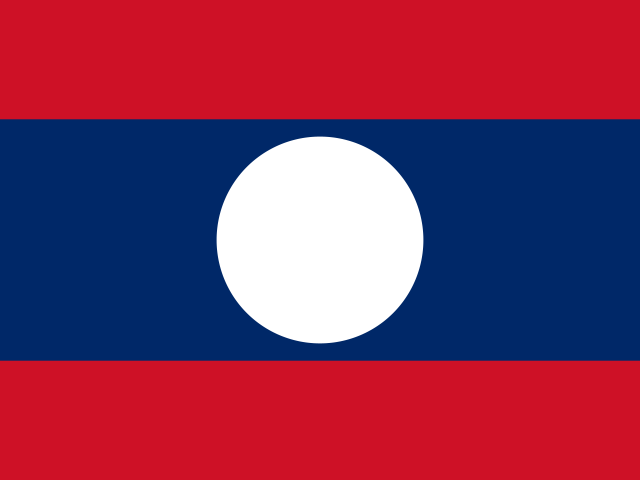
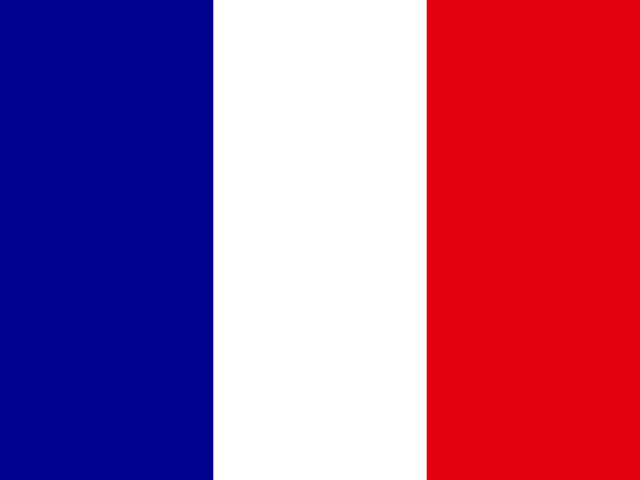
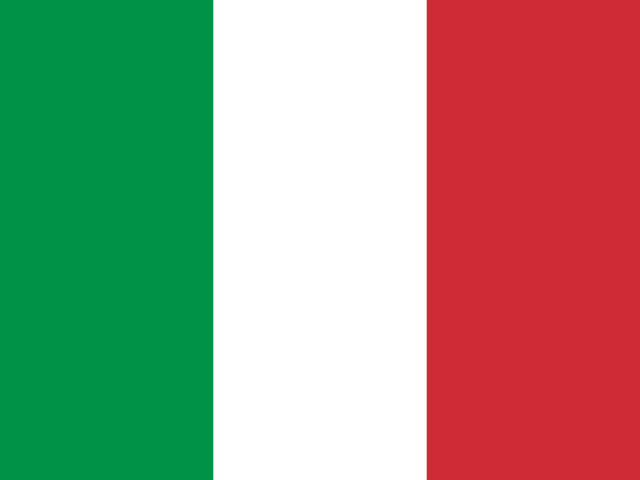
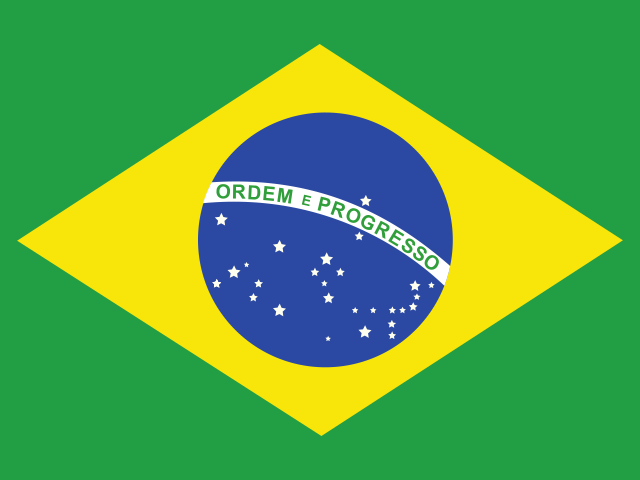
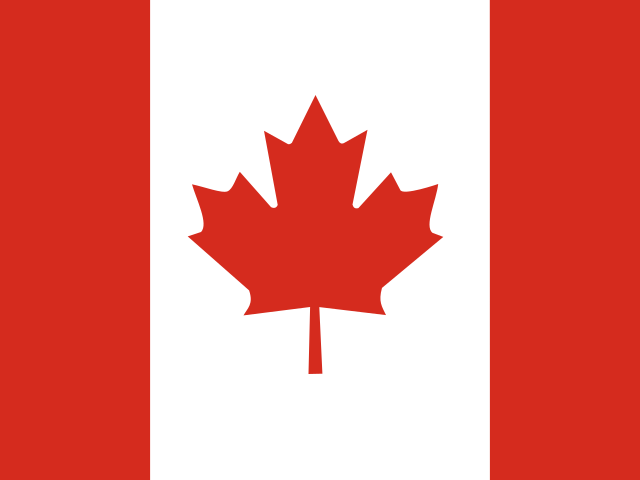
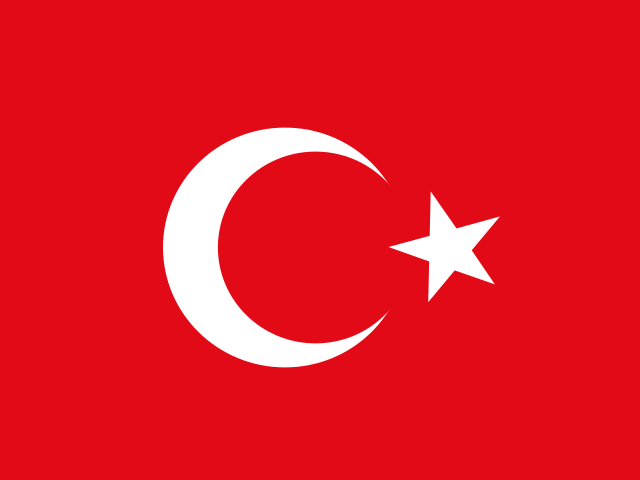
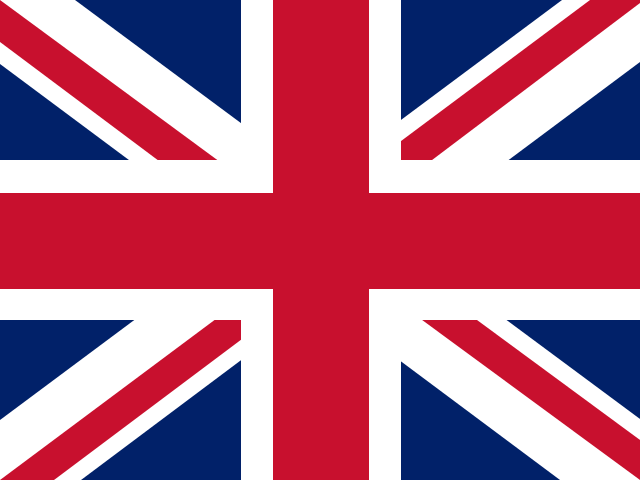
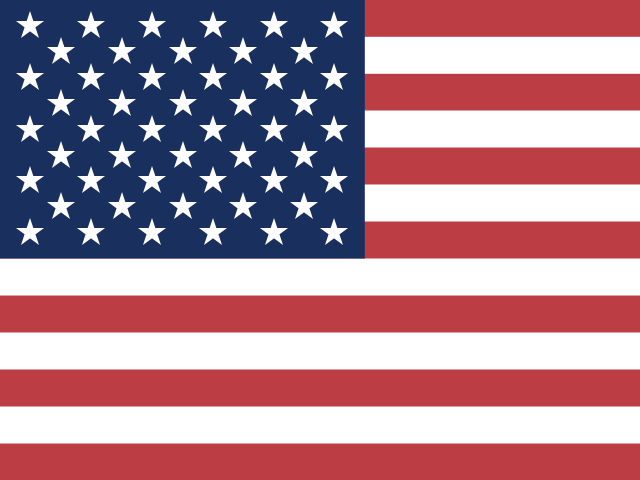
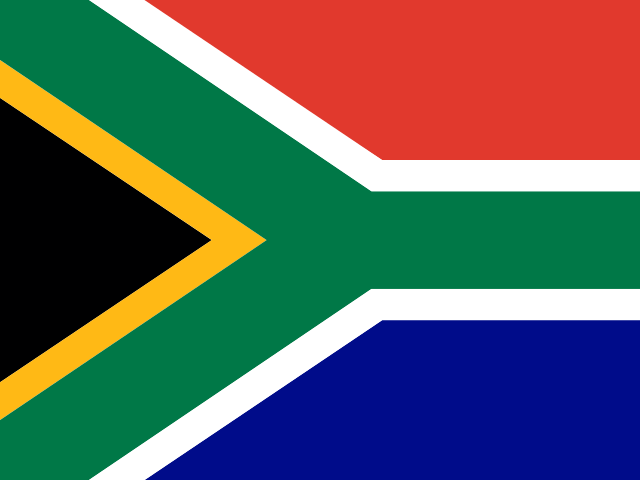
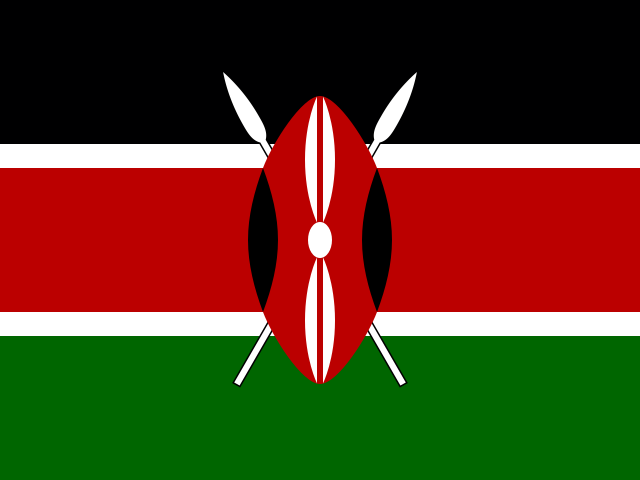
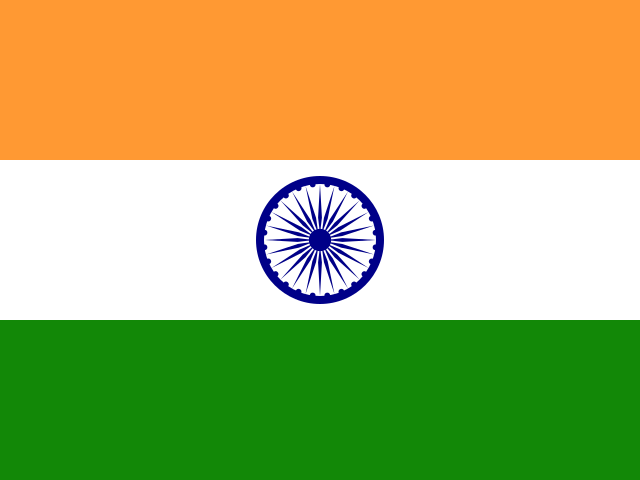
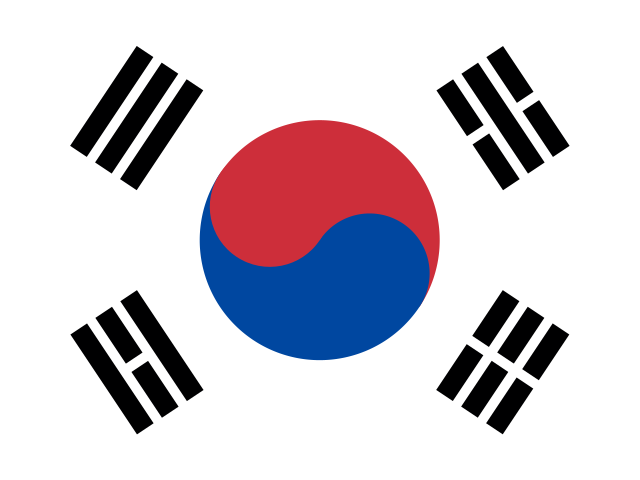
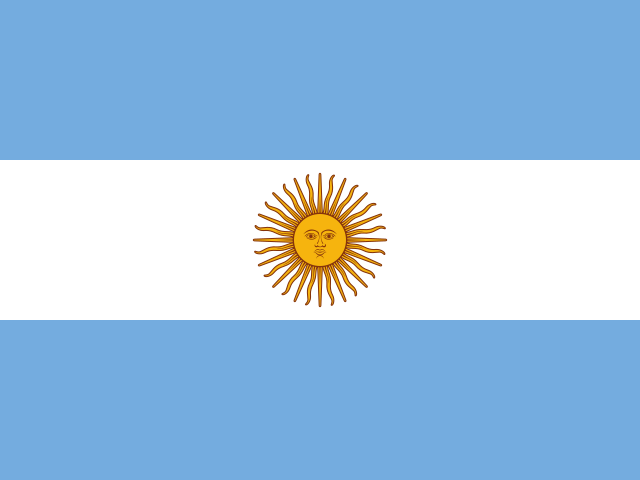
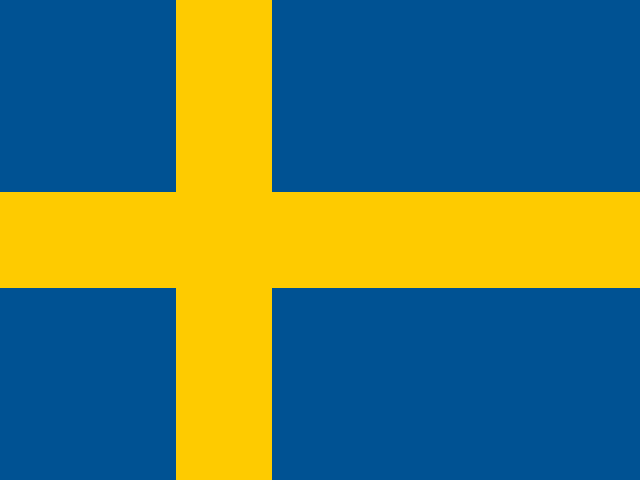
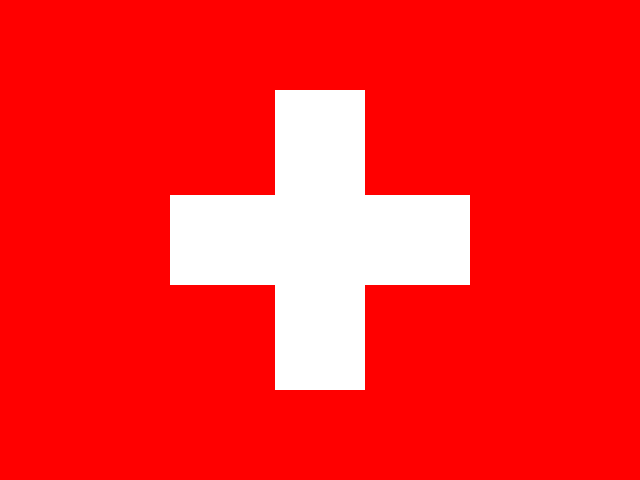
Actual flag artwork from flag-icons, used under its MIT license. Country and region labels come from the bundled world-countries reference.
Turn recognition into recall.
Choose five flags. Look at each for a few seconds, describe the design out loud, and write the country name from memory. Revisit the ones you missed before adding more. On your next session, begin with the same five before moving on.
Try the homepage’s four-round geography quiz preview. In Smart World Map & Countries, geography games offer another way to practice. Read a country profile between rounds so a correct answer leads to something more than a score.
A few good questions
Does every country have a unique-looking flag?
Many flags share colors, layouts or symbols, and some pairs are very similar. Study labels and context alongside the artwork instead of relying only on color.
Are these all the flags of the world?
This page introduces 24 flags. The website directory includes 236 country and territory flags, while the app covers 260 profiles.
Can I use the flags for a classroom activity?
You can use this page as a reference and build a short recognition activity around it. If you redistribute the artwork, retain the attribution and license supplied with the flag files.
Smart World Map & Countries resource library · Updated .